Best Packaging Equipment for Efficient Production Solutions?
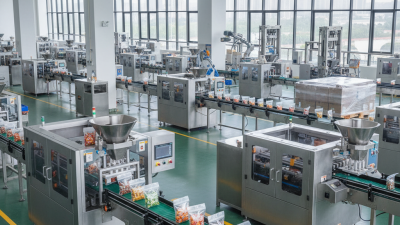
In today’s competitive market, efficiency is crucial in production. Packaging equipment plays a vital role in this context. Industry expert John Smith emphasizes, "The right packaging equipment can revolutionize production lines." This statement highlights the importance of selecting optimal solutions for manufacturing processes.
Choosing the best packaging equipment means understanding unique production needs. Automation has transformed how products are packaged, reducing labor costs and increasing consistency. Yet, businesses often struggle with the array of choices available. Each machine has its benefits and drawbacks, making it essential to evaluate options carefully.
Addressing inefficiencies is another aspect to consider. Many companies face issues with their current packaging equipment, causing delays. Identifying these challenges can lead to innovative solutions. By investing in advanced technology, firms can enhance their operational capacity, but they must also assess their specific requirements. Ultimately, the focus should remain on how effective the packaging equipment can become in meeting production goals while adapting to evolving market demands.
Types of Packaging Equipment for Diverse Industries
In today’s fast-paced manufacturing environment, packaging equipment plays a
crucial role across diverse industries. From food and
beverage to pharmaceuticals, the
right machinery improves productivity and ensures packaging integrity. For food
products, vertical form-fill-seal machines
are often preferred. Their ability to quickly package multiple items enhances
operational efficiency.
The pharmaceutical sector relies heavily on precise labeling and sealing equipment.
These machines must meet strict regulatory standards. Mistakes in this area can
lead to dire consequences. Organizations often grapple
with the high costs associated with ensuring compliance. Investing in automation can
alleviate some of these concerns, but not without challenges.
Another frequent dilemma is the versatility of machinery. Some companies require
equipment that can handle various package sizes. This can complicate the production
line setup. Adjustments might slow down the entire process, causing frustration.
Finding a balance between efficiency and adaptability remains an ongoing struggle
for many manufacturers. The packaging
landscape is complex, often demanding continuous evaluation and
innovation to meet evolving needs.
Key Features to Consider in Packaging Machinery
When selecting packaging machinery, several key features should be prioritized.
Efficiency is at the forefront. According to industry studies, well-chosen
packaging systems can improve product throughput by up to 30%. This is vital for meeting increasing
consumer demands. Speed and precision are crucial attributes of
any efficient packing line. A system that combines these elements can drastically reduce waste and enhance
operational performance.
Another feature worth considering is flexibility. As market trends shift,
packaging needs often change, too. Machinery that can handle multiple product types or sizes offers significant
advantages. A report from the Packaging Machinery Manufacturers Institute (PMMI) highlighted that
43% of companies investing in flexible machinery saw increased
profitability. However, not all machines can adapt easily to variations; careful evaluation is essential.
Finally, automation capabilities are pivotal. Automated systems
can streamline labor and reduce human error. However, the initial investment can be substantial. Businesses must
weigh the long-term benefits against initial costs. Over 60% of manufacturers
report that fully automated lines lead to lower operating costs over time. This information underscores the
importance of choosing equipment strategically. Investing in quality machinery can bring measurable results,
but it requires a thoughtful approach to balance cost and efficiency.
Benefits of Automation in Packaging Processes
In the fast-paced world of manufacturing, automation in packaging processes offers numerous benefits. Reports indicate that companies adopting automation experience a 20-30% increase in efficiency. Streamlined workflows reduce manual labor, minimize errors, and enhance overall productivity. With automated systems in place, businesses can allocate resources more effectively, leading to higher output and reduced costs.
Implementing automated packaging solutions also improves accuracy. Advanced technologies ensure precise measurements and consistent packaging quality. A study highlighted that automation can decrease packaging waste by up to 25%. This reduction not only saves money but also supports sustainability efforts.
Tip:
Evaluate your current packaging process. Identify repetitive tasks suited for automation. This analysis can reveal opportunities for creating efficiency and reducing labor costs.
Additionally, automation allows real-time monitoring of packaging operations. Companies can gather data to assess performance continually. This capability helps identify bottlenecks and areas for improvement. But, implementing automation can come with challenges. Staff may need training to adapt to new systems and technologies.
Tip: Invest in employee training. Engage your team in the transition to ensure a smoother adoption of automated practices. Supporting your workforce can lead to a more successful implementation.
Balancing technology and human skills is essential for a thriving production environment.
Innovative Technologies in Packaging Solutions
Innovative technologies in packaging solutions are transforming the industry.
High-speed packaging machines are becoming standard in many production lines.
These machines improve efficiency and reduce labor costs significantly.
Automation plays a key role here. It minimizes human errors and ensures consistency in packaging.
Visual inspection systems enhance quality control. They ensure that every package meets set standards.
This reduces waste and improves customer satisfaction.
Advanced sensors detect defects in real-time.
This technology streamlines the production process considerably.
However, the integration of such technologies comes with challenges.
Initial costs can be significant, and training staff takes time.
Businesses must adapt to evolving technologies.
Continuous improvement is necessary to keep up with market demands.
Embracing innovation requires a balanced approach to both investment and skill development.
Maintenance and Support for Packaging Equipment Efficiency
Maintaining packaging equipment is crucial for operational efficiency. Research shows that regular maintenance can boost productivity by up to 30%. This is significant in industries where every second counts. A well-maintained machine reduces downtime and ensures the quality of packaged products.
Scheduled maintenance should be a priority. It helps identify potential issues before they escalate. Studies indicate that preventive maintenance can reduce equipment failure rates by 25%. However, many companies overlook this aspect. Often, they wait until problems arise, leading to costly repairs and lost production time. Training staff on basic maintenance can vastly improve equipment longevity.
In monitoring packaging equipment, data analytics plays an essential role. Real-time insights can pinpoint inefficiencies and track performance metrics. Implementing an integrated monitoring system can enhance decision-making. Despite its advantages, many teams still hesitate to adopt new technologies. Resistance to change can undermine efforts. Thus, fostering a culture of continuous improvement is needed.
Best Packaging Equipment for Efficient Production Solutions
| Equipment Type |
Efficiency Rating |
Maintenance Frequency |
Support Availability |
| Automated Packing Machine |
95% |
Monthly |
24/7 |
| Labeling Machine |
90% |
Quarterly |
Business Hours |
| Shrink Wrap Machine |
92% |
Biannually |
24/7 |
| Filling Machine |
93% |
Monthly |
24/7 |
| Box Erector |
88% |
Yearly |
Business Hours |