Why is Packaging Equipment Essential for Modern Industries?
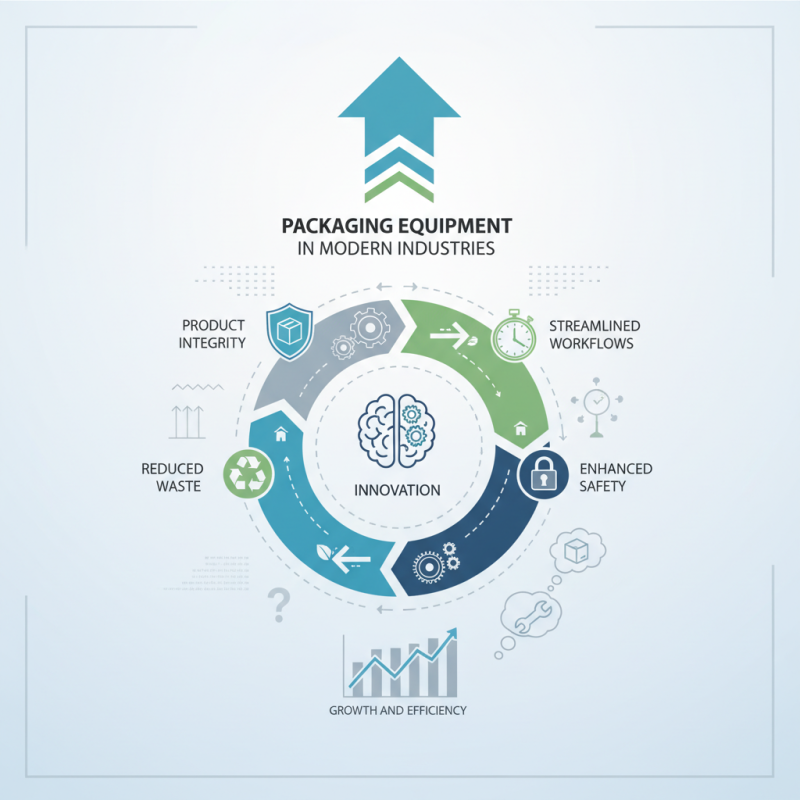
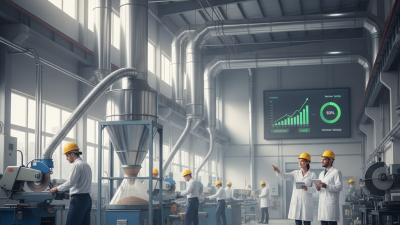
In today's fast-paced industrial landscape, Packaging Equipment is an indispensable element. According to Dr. Emily Harper, a leading expert in packaging technology, "Efficient packaging is the backbone of any successful production line." Industries rely on these tools to ensure product integrity and streamline workflows.
The role of Packaging Equipment transcends mere aesthetics. It enhances product safety and reduces waste. Companies invest significantly in advanced machines to maintain a competitive edge. They are not just looking for cost-cutting solutions; they seek quality and efficiency.
However, the evolution of Packaging Equipment is not without its challenges. Businesses often grapple with choosing the right technology that fits their specific needs. As demands evolve, they must adapt and innovate, ensuring their equipment keeps pace with market trends. Embracing these innovations can be daunting but necessary.
The Role of Packaging Equipment in Enhancing Product Safety
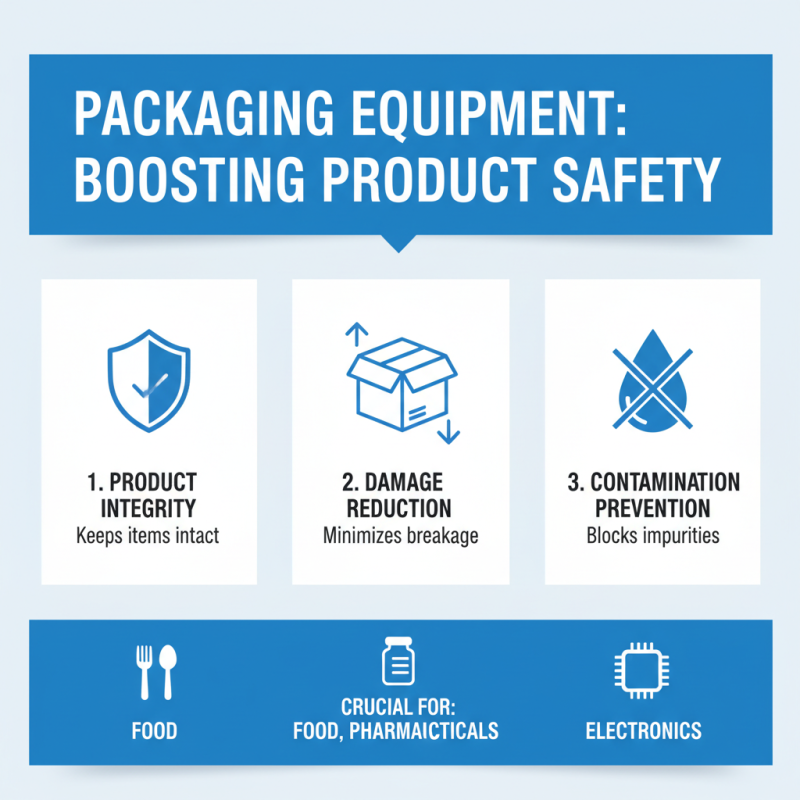
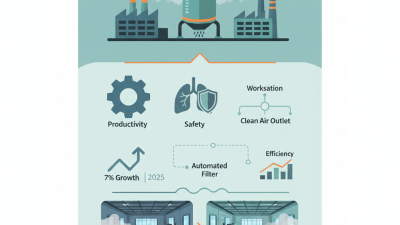
Packaging equipment plays a crucial role in safeguarding products. It ensures that items remain intact during storage and transport. Effective packaging minimizes breakage and contamination risks. This is essential in industries like food, pharmaceuticals, and electronics.
Consider the various types of packaging solutions available. Automated equipment can enhance speed and efficiency but may compromise flexibility. Manual processes allow for better control but can slow down production. Finding the right balance is key.
Tips: Regular maintenance on packaging machines can prevent unexpected failures. Training staff to operate equipment efficiently is vital. Evaluate packaging materials to ensure they provide adequate protection without being excessive. Reducing waste can lead to cost savings. In the pursuit of safety, companies sometimes overlook innovation, which can improve packaging design.
Boosting Efficiency: How Packaging Equipment Streamlines Production
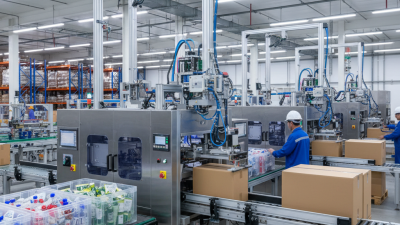
Packaging equipment plays a critical role in modern industries. It enhances the efficiency and reliability of production lines. With the right packaging solutions, businesses can streamline their processes dramatically. Consistent packaging improves product safety and reduces waste during transit.
Tips: Assess your current packaging needs. Identify bottlenecks in your production line. Invest in equipment that can adapt to future demands. This foresight can save time and costs in the long run.
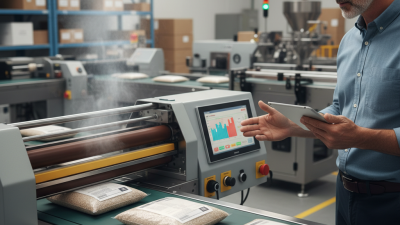
Automation is a key benefit of modern packaging equipment. Automated systems reduce the chance of human error. They also speed up the packaging process. However, the transition can be challenging. Employees may need training to adapt to new machines.
Tips: Collaborate with your team. Gather their feedback on the new equipment. An inclusive approach can help improve the process. Regular maintenance of packaging equipment is essential. It ensures reliability and consistency in production.
Cost-Effectiveness: The Financial Benefits of Modern Packaging Solutions
Modern industries rely heavily on packaging equipment for various reasons. One critical aspect is cost-effectiveness. Advanced packaging solutions can significantly reduce overhead costs. Automation can streamline processes in a way that manual labor cannot match. This efficiency leads to lower labor costs and increased production rates.
Today's packaging machines are designed to minimize waste. Reducing material waste not only saves money but also benefits the environment. More efficient use of resources helps companies meet sustainability goals. However, achieving these efficiencies requires a significant upfront investment, which can be daunting for smaller businesses.
Implementing modern packaging solutions can be challenging. Staff training and system integration may present obstacles. Yet, businesses that overcome these issues often find their return on investment is substantial. The initial challenges can lead to better financial performance over time, proving that modern packaging equipment is essential for growth and sustainability in today's market.
Adapting to Market Trends: The Importance of Flexible Packaging Equipment
In today’s fast-paced market, flexible packaging equipment is more than just a trend—it's a necessity. Industries face constant pressure to adapt. Consumers demand variety, sustainability, and convenience. Flexible packaging equipment allows manufacturers to respond swiftly to these changing needs. It can handle different materials and formats, making it versatile. This adaptability helps companies stand out in a crowded marketplace.
However, not all businesses fully leverage this technology. Some might stick to traditional methods, risking inefficiency. This reluctance can lead to missed opportunities. Moreover, investing in flexible packaging requires careful thought. Equipment must meet industry standards and support various products. Companies may hesitate due to costs or complexity. But the potential benefits are worth exploring. Enhanced product presentation can attract consumers and promote brand loyalty.
Being flexible isn’t just about the equipment. It’s about mindset. Companies should foster an environment that welcomes innovation. Employees must be trained and involved in the process. Feedback loops can help identify areas for improvement. Investing in flexible packaging technology without a holistic approach may lead to underwhelming results. Overall, balancing equipment capabilities with internal processes is crucial for success.
Sustainability in Packaging: Equipment Innovations for Eco-Friendly Solutions
Sustainability in packaging is a pressing issue today. Modern industries face growing demand for eco-friendly solutions. Innovative packaging equipment plays a vital role here. These machines not only enhance efficiency but also reduce waste. More brands are investing in technology that minimizes material consumption.
Innovations like biodegradable packaging materials are gaining traction. New equipment processes these materials effectively. They help in reducing plastic use, a significant contributor to pollution. However, there is still a long way to go. Many companies struggle to balance costs with sustainability. Further research is needed to improve performance while remaining affordable.
Producers must also consider the lifecycle of packaging. Equipment should enable easy recycling or composting. This perspective encourages a circular economy. Yet, challenges remain in standardizing sustainable practices across industries. Overcoming these obstacles is crucial for achieving long-term sustainability goals.
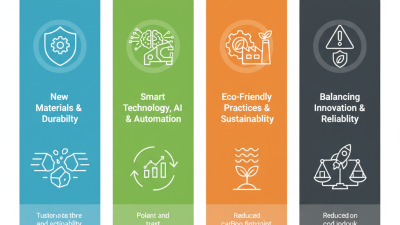
Packaging Equipment Innovations and Sustainability Impact