Best Belt Sealing Machine for Efficient Packaging Solutions?
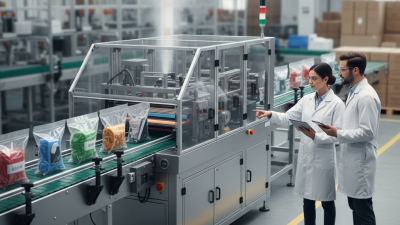
In the world of packaging, efficiency is key. A reliable Belt Sealing Machine can significantly enhance your packaging process. These machines are designed to seal products quickly and effectively. They help reduce time and labor costs. With the right machine, businesses can improve their overall productivity.
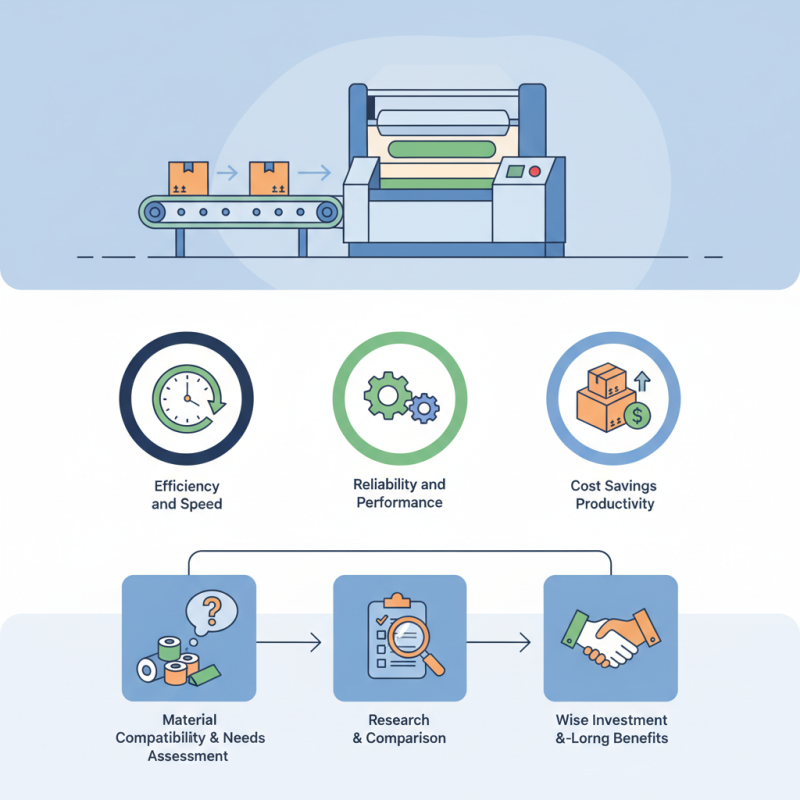
Choosing the best Belt Sealing Machine requires careful consideration. Various factors affect performance, including speed and sealing quality. Some machines may struggle with certain materials. Users must evaluate their specific needs and operational demands. Reflecting on past experiences can provide valuable insights.
Investing in a quality Belt Sealing Machine is essential for success. It forms the backbone of an efficient packaging solution. Selecting the right model can be overwhelming. The variety of options available may complicate the decision-making process. Ultimately, a wise choice can lead to long-term benefits.
Overview of Belt Sealing Machines in Packaging Industry
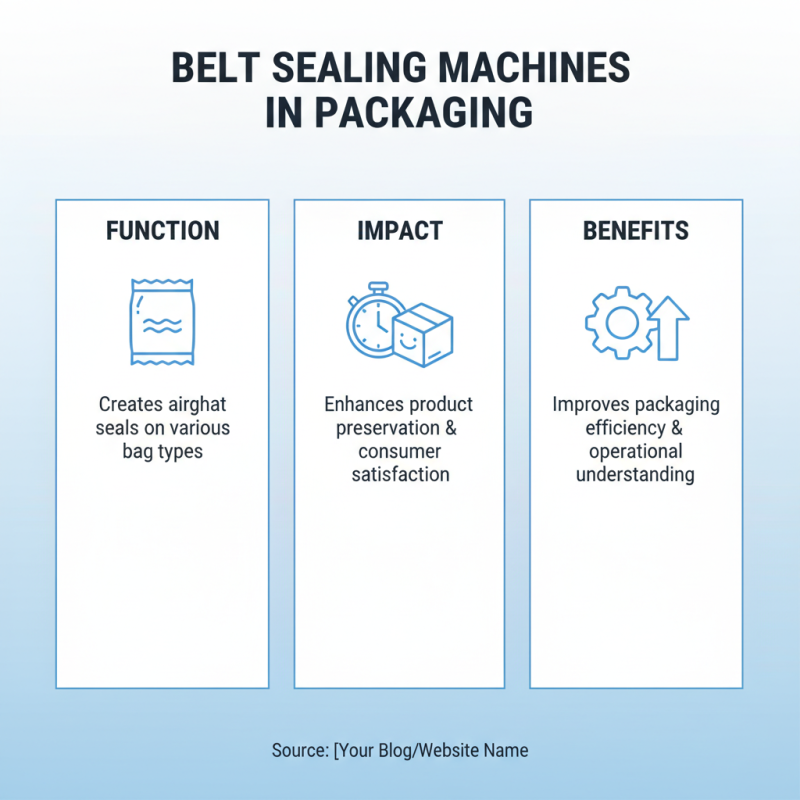
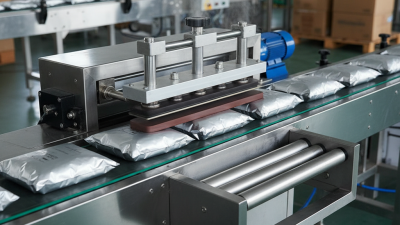
Belt sealing machines play a crucial role in the packaging industry. These machines are designed to create airtight seals on various types of bags. The efficiency of your packaging process greatly affects product preservation and consumer satisfaction. Understanding how these machines work can enhance your operations.
When selecting a belt sealing machine, consider the materials being sealed. Different machines offer varied heat settings and sealing mechanisms, which influence the quality of seals. Look for models that cater to your specific needs. Regular maintenance is key for optimal performance. Inspect seals frequently to avoid compromising packaging integrity.
Tips: Ensure proper temperature settings for specific materials. Too high can damage the packaging, while too low may result in weak seals. Train your staff on machine operation and troubleshooting. They should feel comfortable addressing minor issues to avoid downtime. Lastly, keep the workspace clean to maintain machinery effectiveness.
Key Features to Consider When Choosing a Belt Sealing Machine
When selecting a belt sealing machine, key features should guide your decision. Speed is critical—machines can seal up to 30 bags per minute. This efficiency can significantly boost production rates. A reliable machine can reduce labor costs, as fewer operators are needed.
Temperature control is another vital factor. Precise heat is necessary for effective sealing. Reports indicate that improper temperatures can lead to weak seals, compromising product integrity. Some models allow adjustable temperature settings, ensuring flexibility for various materials.
Consider the durability of the machine as well. Quality materials can withstand high-volume operation. A report from the packaging industry states that around 20% of machines fail within the first year due to poor construction. Regular maintenance is essential as well. Long-term reliability depends on how well equipment is cared for. Users sometimes overlook this aspect, leading to unexpected downtimes.
Investing in a good belt sealing machine demands careful analysis of these features. Balancing cost with capabilities is key. Mistakes in this process can impact overall productivity.
Types of Belt Sealing Machines and Their Applications
Belt sealing machines are essential in various industries for packaging tasks. They come in different types, each suited to specific applications. A common type is the continuous belt sealer, ideal for high-volume production. This machine works efficiently for sealing plastic or foil bags, ensuring a tight seal. Operators can adjust the speed to match their production needs.
Another type is the impulse sealer, which is suitable for smaller batches. It heats the sealing bar to create a seal and then cools down quickly. This type is often used in food packaging where freshness is crucial. Users appreciate how simple it is to operate, but some may find the sealing time longer than expected.
Consider how these machines can enhance your packaging process. Look for models that suit your product dimensions and required sealing strength. Not all machines are created equal, and some may not meet specific industry standards. Ensuring you choose the right type is key to avoiding production delays or seal failures.
Best Belt Sealing Machine for Efficient Packaging Solutions
| Machine Type |
Sealing Method |
Applications |
Speed (packs/min) |
Power Consumption (Watts) |
| Continuous Belt Sealer |
Heat sealing |
Food packaging, electronics |
20-30 |
500-750 |
| Vacuum Belt Sealer |
Vacuum & heat sealing |
Meat, cheese, vegetables |
15-25 |
800-1000 |
| Impulse Belt Sealer |
Impulse sealing |
Bags, pouches |
10-20 |
300-500 |
| Band Sealer |
Band sealing |
Bulk items, liquids |
25-35 |
600-900 |
| Carton Sealer |
Tape sealing |
Cartons, boxes |
20-40 |
400-600 |
Benefits of Using Belt Sealing Machines for Packaging Solutions
Belt sealing machines are essential in modern packaging. They enhance efficiency by creating secure seals on various materials. This ability significantly reduces product spoilage during transport and storage. A reliable seal protects against contamination, extending the shelf life of the product.
Utilizing belt sealing machines provides several benefits. They drastically improve production speed. Operators can process large volumes of products quickly. This speed is crucial for meeting market demands. Additionally, these machines offer versatility. They can handle different packaging materials and sizes. This adaptability is beneficial for businesses with diverse product lines.
However, there are challenges. Proper training is needed for staff to operate these machines effectively. If operated incorrectly, seals may fail, leading to waste. Regular maintenance is also essential. Neglecting this can cause unexpected downtime and increase costs. Businesses should evaluate their specific needs before investing. An informed decision will lead to better productivity and reliability in packaging.
Maintenance Tips for Optimal Performance of Belt Sealing Machines
Belt sealing machines are vital for effective packaging solutions. Keeping them well-maintained ensures they perform optimally over time. Regular checks can prevent unexpected breakdowns. Inspecting the sealing area for debris is crucial. Even small particles can disrupt the sealing process. Cleaning the machine daily enhances its longevity.
Another important aspect is monitoring the temperature settings. Overheating can lead to damage, while too low a temperature may result in weak seals. Regularly calibrating the machine ensures that seals are consistent and reliable. Additionally, lubricating moving parts is essential. Neglecting this can cause friction and lead to wear and tear.
User feedback often highlights the importance of routine maintenance. Some users notice performance drops due to overlooked upkeep. Being attentive can save costs in the long run. Taking the time for inspections builds confidence in the machine's reliability. Regular maintenance avoids the frustration of unexpected failures during peak production times.