2026 Best Belt Sealing Machine Options for Your Business Needs?
In the world of packaging, choosing the right equipment is essential. A reliable Belt Sealing Machine can significantly impact your production efficiency. With many options available in the market, it’s easy to feel overwhelmed. Your specific business needs should guide your decision-making process.
Investing in a quality Belt Sealing Machine is no small feat. Consider your product types and packaging requirements. The correct machine can enhance your workflow and reduce operational costs. Yet, the range of features might confuse businesses looking for the best fit. Reflecting on your production goals is crucial before making a choice.
Choosing a machine involves some trial and error. Not every option will meet your expectations. A Belt Sealing Machine must align with your production volume and material types. Ultimately, understanding your requirements is critical to finding the right solution. Carefully evaluate each option to avoid future regrets.
Top Features to Consider When Choosing a Belt Sealing Machine
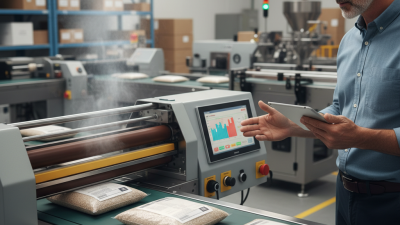
When selecting a belt sealing machine, several key features must be considered to ensure it meets your business needs. The speed of the machine is crucial. A high-speed machine can significantly increase production efficiency. Check the sealing width as well; a broader sealing area can accommodate larger products. The machine's temperature control is another important factor. Precise heat settings prevent damages to products and ensure proper seals.
Durability is vital for long-term investment. Look for machines made from high-quality materials that can withstand frequent use. It's also essential to consider the type of sealing. Some machines use heat, while others rely on impulse sealing. Research which method suits your product type best. Ensure that the machine is easy to clean and maintain.
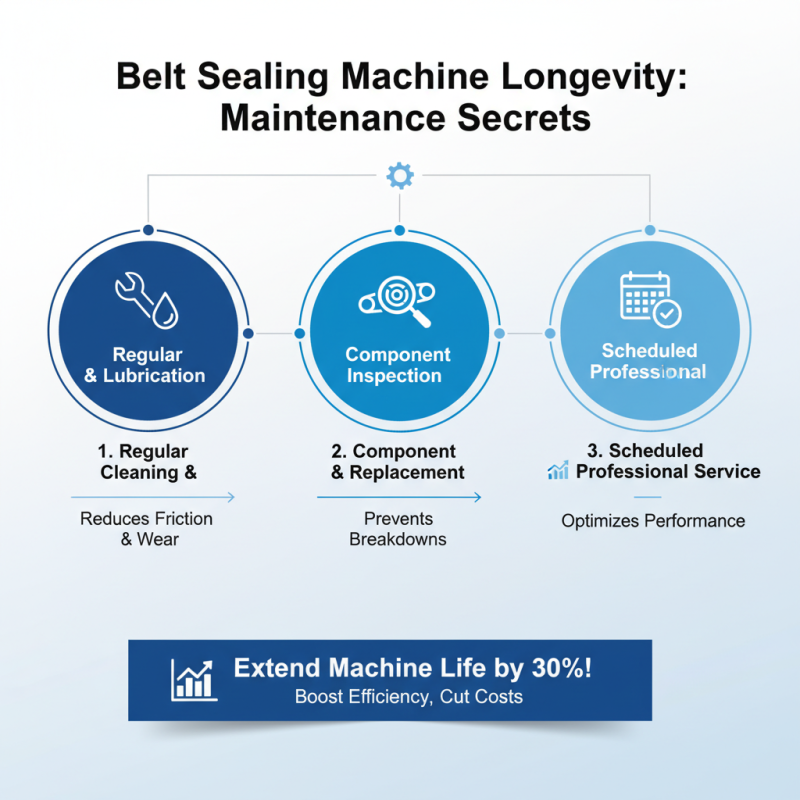
Regular maintenance can lead to fewer breakdowns, saving time and costs in the long run.
While high-end models offer advanced features, they may not always be necessary. Consider your budget and production volume before making a decision. Sometimes, simpler machines may suffice for smaller operations. Additionally, don’t overlook customer support and warranty. A good service plan can provide peace of mind in case of issues. Remember to reflect on your specific needs and future growth, helping you make the right investment.
Types of Belt Sealing Machines Available in the Market
Belt sealing machines play a crucial role in packaging industries. They ensure packages are securely sealed, preserving product freshness. Various types of these machines cater to different business needs. Understanding the options available can help businesses choose the right machine.
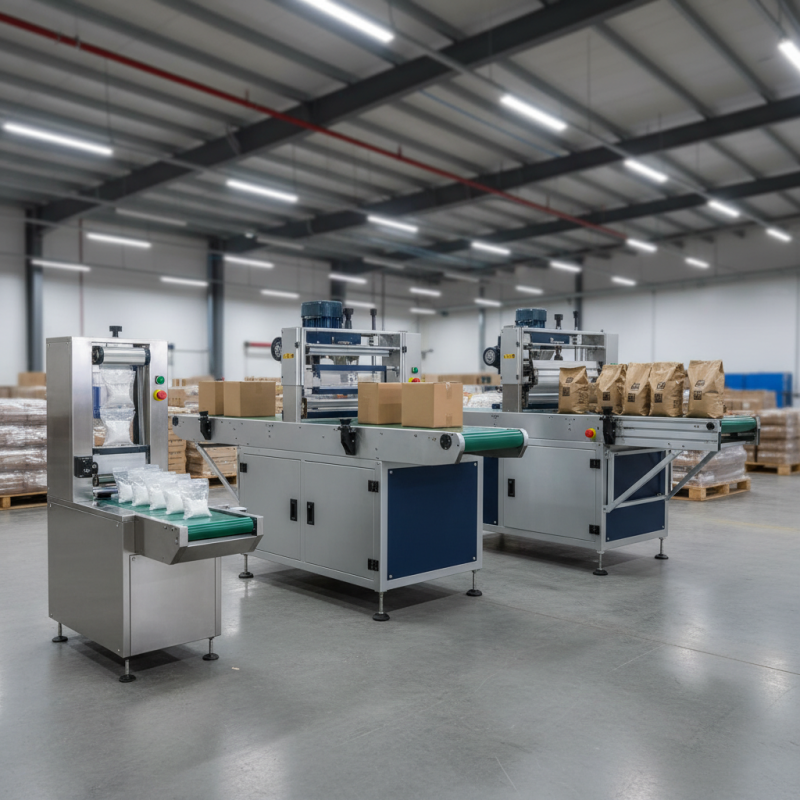
Continuous belt sealers are a popular option. They work for high-volume production runs, sealing products quickly. Their design minimizes downtime and increases efficiency. However, they may require frequent maintenance to function properly. Manual belt sealers, on the other hand, are ideal for smaller operations. They offer flexibility for various products but can slow down output.
Impulse sealers are another option. These machines use heat for a short duration to create airtight seals. They are suitable for thin materials and are user-friendly. Yet, they may struggle with thicker materials. Choosing the right belt sealing machine involves evaluating production volume and product types. It's essential to consider both efficiency and your specific needs when making a decision.
How to Determine the Right Size and Capacity for Your Needs
Choosing the right size and capacity for a belt sealing machine is vital for your operations. Start by assessing the product dimensions you will be sealing. If your items vary widely, a machine with adjustable settings is beneficial. On the other hand, for uniform products, a specific size may work best.
Consider the production volume as well. High-volume operations need machines with larger capacities. They should handle swift sealing without overheating. Look for features like automatic adjustment to speed to ensure efficiency. Performance consistency is key; fluctuations can lead to operational hiccups.
Evaluate the space available for the equipment. A larger machine may be unsuitable in a compact workspace. It might require adjustments in layout. Additionally, don't overlook maintenance aspects based on the size and capacity you choose. Easier access for cleaning is often overlooked. Balancing all these factors will guide you in selecting the right machine for your business.
Cost Analysis: Budgeting for a Belt Sealing Machine Investment
When considering a belt sealing machine, the cost is a primary concern for many businesses. According to industry data, the investment can range from $2,000 to over $25,000, depending on features and capacity. Factors influencing the price include material quality, automation level, and production speed. A comprehensive cost analysis is essential to ensure that the machine fits your budget and operational needs.
Tips: Factor in long-term savings. A reliable machine can reduce labor costs. Investing in durable equipment often leads to lower maintenance costs over time. Conversely, cheaper options might tempt, but they can incur hidden expenses. Businesses often underestimate the costs of downtime due to equipment failure.
Another critical consideration is your specific sealing requirements. If high volumes of packaging are involved, the return on investment becomes crucial. Some businesses report improved efficiency by 30% after upgrading their sealing technology. It’s essential to compare these statistics from different manufacturers before making a decision. Proper analysis can guide you to the right choice while avoiding costly mistakes down the line.