Top 10 Crushing Equipment for Enhanced Productivity and Efficiency?
In the competitive landscape of industrial operations, choosing the right Crushing Equipment is crucial. These machines play a vital role in various sectors, from mining to construction. They help in breaking down materials efficiently, boosting overall productivity. Yet, selecting the most suitable equipment requires careful consideration.
The market offers a plethora of options, often overwhelming for decision-makers. Each type of Crushing Equipment has unique features and applications. A wrong choice can lead to inefficiencies and increased costs. It's essential to analyze not just the specifications, but also the reliability and maintenance of these machines.
Investing in high-quality Crushing Equipment reflects a commitment to performance. Operators must be aware of their specific needs and operational limits. Challenges can arise, but they also provide opportunities for growth and improvement. Understanding the nuances of each machine can lead to enhanced productivity and efficiency in the long run.
Definition and Importance of Crushing Equipment in Industries
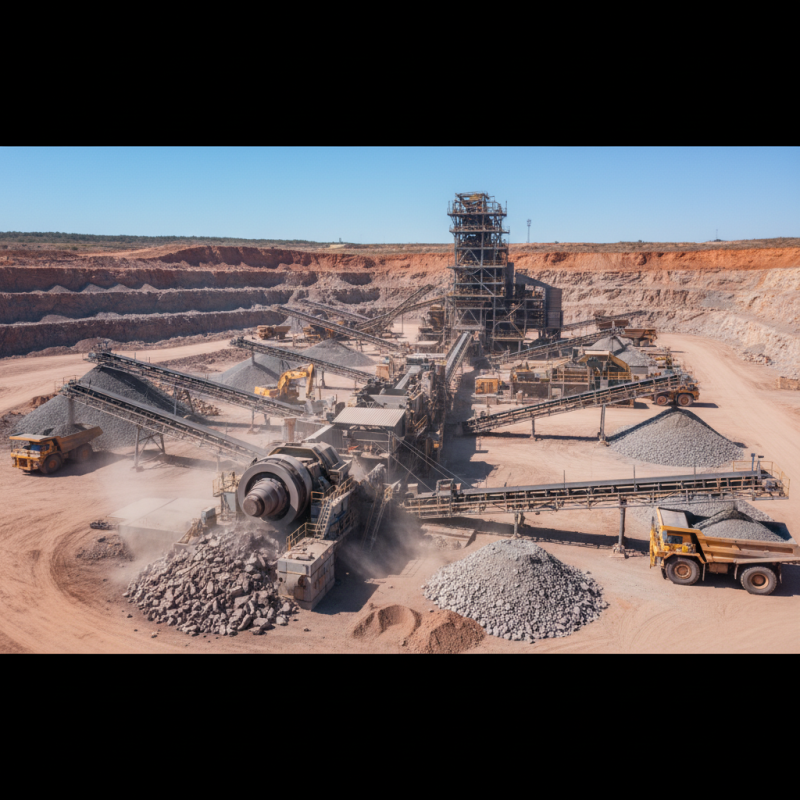
Crushing equipment plays a vital role in various industries, including mining, construction, and recycling. These machines are designed to break down materials like rocks, metals, and concrete into smaller, manageable sizes. By doing so, they enhance productivity and efficiency. The process of crushing allows for better material handling and processing in subsequent stages, showcasing its necessity in operations.
In many cases, businesses overlook the importance of quality crushing equipment. Poor choices can lead to increased operational costs and wasted time. For instance, using outdated machines may result in lower output and frequent breakdowns. This can hinder productivity and disrupt workflows. Proper investment in reliable crushing technology is essential for achieving optimal results.
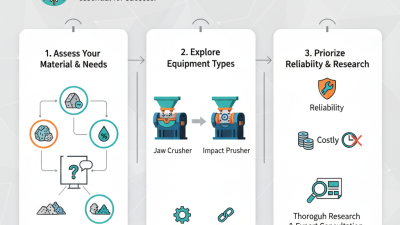
Moreover, the selection of crushing equipment must match the specific needs of the operation. Different materials require different crushing techniques. It’s crucial for companies to conduct thorough research before making a purchase. Not all machines are suitable for every job. A mismatch can diminish efficiency and affect overall performance. Understanding the unique requirements of a business will ensure the right choice is made.
Types of Crushing Equipment and Their Applications
Crushing equipment plays a crucial role in various industries, including mining, construction, and recycling. Different types of crushing machines are designed for specific applications, enhancing productivity efficiently. For instance, jaw crushers are widely regarded for their ability to handle large, hard materials. According to industry reports, they can reduce raw materials to sizes as small as 1 inch, significantly facilitating further processing stages.
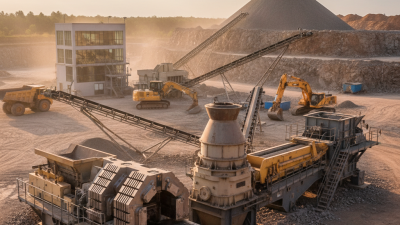
Cone crushers are another essential type, known for their ability to crush medium to hard materials. Their design allows for consistent particle size reduction, which contributes to high quality in end products. Data indicates that these crushers can achieve as high as 90% reduction ratios. However, operators must ensure regular maintenance to avoid issues like wear and tear, which can decrease efficiency over time.
Impact crushers, distinct from other types, utilize high-speed impact to break materials. They are particularly effective for softer materials, generating finer aggregates. Industry studies note that these machines can produce materials with uniform shapes, aiding in various construction applications. Still, it's essential to monitor the output closely. Overloading these machines can lead to decreased performance, highlighting the need for proper operation and oversight in crushing processes.
Key Features to Look for in Crushing Equipment
When selecting crushing equipment, several key features can greatly enhance productivity and efficiency. One critical aspect is the machine's throughput capacity. It's important to choose equipment that can handle the desired volume of material without clogging or slowing down. A high throughput means less downtime and more material processed in a given timeframe.
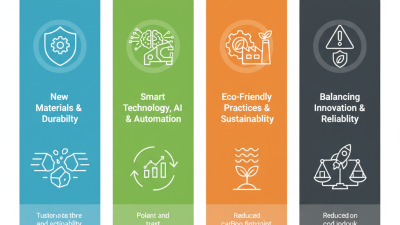
Another crucial feature is the versatility of the equipment. Different materials require different crushing methods. The ability to adapt to various types of materials can be a game-changer. Additionally, energy efficiency should not be overlooked. Equipment that consumes less power while delivering high performance can significantly lower operating costs. Some machines also offer smart technology, allowing for real-time monitoring and adjustments. This can optimize operations but, if not utilized carefully, may lead to over-reliance on automation.
Finally, consider the ease of maintenance. Equipment that is difficult to maintain can result in prolonged downtimes. Regular upkeep is vital for long-term efficiency. Whether it’s replacing liners or checking hydraulics, a design that allows for easy access can save time and reduce frustration. These features collectively contribute to improved operations, yet they require thoughtful consideration to achieve the best results.
Top 10 Crushing Equipment for Enhanced Productivity and Efficiency
Top Brands and Models of Crushing Equipment in the Market
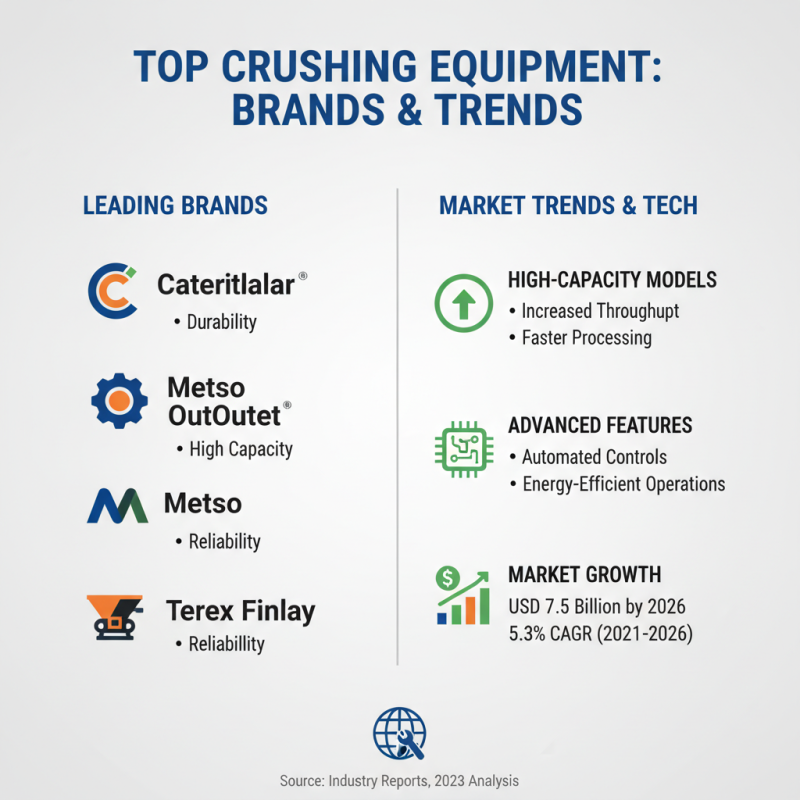
When considering crushing equipment, certain brands stand out for their productivity and efficiency. Industry reports indicate a growing trend towards high-capacity models. These machines are increasingly equipped with advanced features like automated controls and energy-efficient operations. According to a recent analysis, the global crushing equipment market size is expected to reach USD 7.5 billion by 2026, with a compound annual growth rate of 5.3%. This highlights the importance of selecting the right model for optimal results.
Several manufacturers consistently deliver top-performing equipment. Key features of these models include improved mobility and user-friendly interfaces. Furthermore, durability is a vital aspect of crushing machines. Models with robust construction often lead to lower maintenance costs. A study found that well-designed crushing equipment can achieve a 30% increase in productivity under similar operational conditions. However, not all brands meet these expectations. It’s essential to research thoroughly to avoid inferior products that may hinder operational efficiency.
In addition, sustainability is becoming a focal point in the crushing industry. Many leading brands work towards reducing their environmental impact. Some equipment now offers innovative solutions for recycling materials. However, ensuring compliance with environmental regulations can be challenging. Users often overlook maintenance and operational adjustments, leading to inefficiency. This points to the need for ongoing training and updates in this ever-changing landscape of crushing technology.
Strategies for Maximizing Productivity with Crushing Equipment
Maximizing productivity with crushing equipment is essential for industries seeking efficiency. Studies show that equipment downtime can reduce productivity by 20-30%. Preventative maintenance can mitigate this issue and extend the lifespan of machines. Regular checks allow for early detection of wear and tear. Investing in quality equipment will pay dividends in long-term operation and functionality.
Tips: Ensure that operators receive training in best practices. Skilled operators can significantly improve your system's efficiency. Use automated monitoring systems to track performance metrics. Real-time data can help identify potential bottlenecks before they become critical.
Purposeful layout and workflow design are key. Position equipment strategically to minimize transportation time and improve material flow. A well-planned area can lead to a 15% increase in efficiency. However, be open to adjusting the layout as new technology emerges. Flexibility can be essential for staying ahead in the industry. Regularly review workflow processes to identify discrepancies. Continuous improvement is vital for maintaining high productivity levels.
Top 10 Crushing Equipment for Enhanced Productivity and Efficiency
| Equipment Type |
Crushing Capacity (tons/hour) |
Power Consumption (kW) |
Maintenance Frequency (months) |
Key Features |
| Jaw Crusher |
150 |
75 |
6 |
High throughput, versatile. |
| Cone Crusher |
200 |
100 |
8 |
Stable operation, reduced vibration. |
| Impact Crusher |
120 |
90 |
12 |
High reduction ratio, efficient. |
| Hammer Mill |
100 |
50 |
5 |
Versatile applications, low maintenance. |
| Roll Crusher |
80 |
65 |
10 |
Compact design, low noise. |
| Gyratory Crusher |
250 |
130 |
9 |
High efficiency, heavy-duty. |
| Vertical Shaft Impact Crusher |
90 |
45 |
8 |
Produces high-quality sand, low wear. |
| Mobile Crusher |
130 |
70 |
7 |
Flexible movement, adaptable to site. |
| Stone Crusher |
160 |
80 |
10 |
Durable, suitable for various materials. |
| Shredder |
70 |
30 |
6 |
Efficient waste reduction, compact design. |