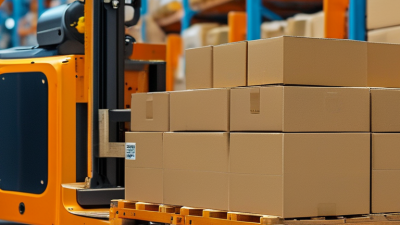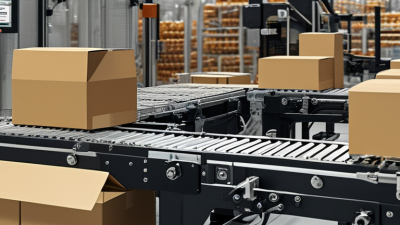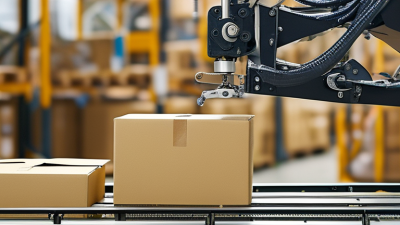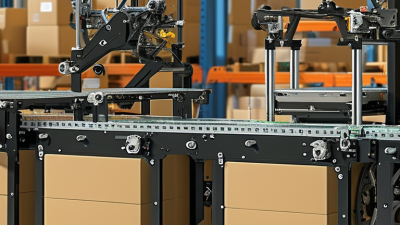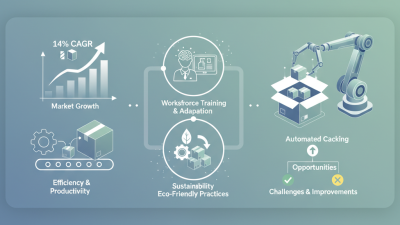
Choosing the China best Automatic Case Packer manufacturer depends on more than a low quotation. A reliable machine should match your product, case size, line speed, and available floor space. It should also fit the way your team works.
Small details matter. A carton that arrives slightly warped can affect feeding. Bottles with wet surfaces may need careful handling. Ask manufacturers how their equipment performs with your actual products, not only standard samples. Request a factory test using representative cartons and containers, and observe changeover time, jam recovery, and access to routine maintenance points.
The best partner offers clear specifications and practical engineering support. Check the packing range, machine footprint, control system, safety features, and spare-parts availability. Ask who installs the line, how operators are trained, and how quickly technical help is provided. Video demonstrations can be useful, but they cannot replace a documented test with agreed acceptance criteria. Look for evidence: project references, test records, and service procedures. Not just promises.
A polished brochure is not proof. I would compare at least two or three proposals, then verify each claim with the same test conditions. Some details may remain uncertain until the machine runs in your facility. That is worth acknowledging. This guide explores how to assess Chinese manufacturers, compare equipment, and ask sharper questions before selecting an Automatic Case Packer for your production line.
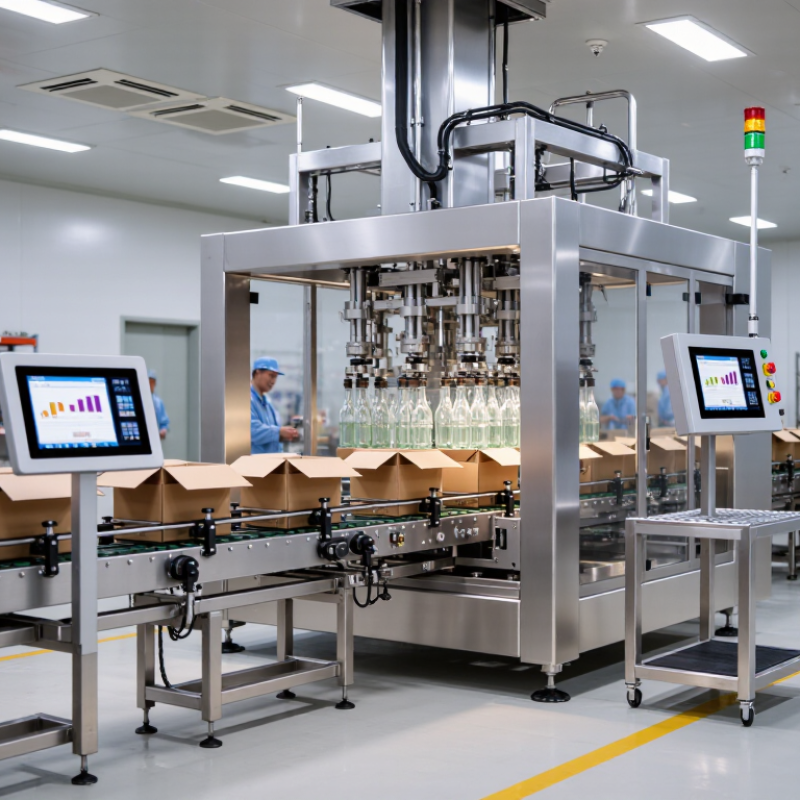
An automatic case packer transfers products from a production line into shipping cases. It can arrange cartons, bottles, pouches, or other items in a planned pattern. Sensors track product flow, while guides help keep each item aligned. The machine then loads the products and may close or seal the case, depending on its configuration.
In daily operations, this equipment connects upstream filling or labeling machines with case handling and palletizing. A steady pack pattern can reduce manual lifting and help cases stay consistent during transport. For example, operators may adjust guides when switching from a narrow carton to a wider one. Changeovers still take time. Poorly set guides can cause jams, damaged packaging, or uneven case loads.
Choosing a packer involves more than checking its rated speed. Teams should consider product dimensions, case styles, line layout, and how often formats change. They should also review access for cleaning, maintenance, and troubleshooting. A fast machine is not automatically the right fit if the rest of the line cannot feed it steadily. In practice, small details matter, such as whether operators can reach a jam point without awkward movement. Even a well-designed system needs monitoring; packaging materials and product flow are not always perfectly consistent.
China Best Automatic Case Packer Manufacturer?
Main Case Packer Types and Their Applications
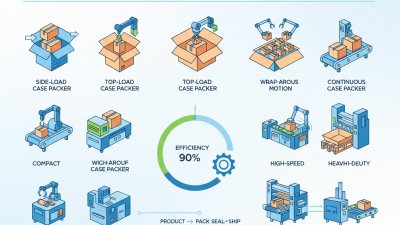
Choosing a case packer starts with the product, carton style, and required line speed. A top-load case packer places products into open cartons from above. It suits bottles, pouches, and trays that need upright, organized loading. For example, guides can group twelve bottles before a mechanical head lowers them into a case. This format offers flexibility, but frequent product changes may require careful adjustment.
Side-load case packers push products horizontally into cases, making them useful for cartons, bags, and items arranged in layers. Wraparound case packers form a corrugated blank around a product group, helping reduce excess packaging material. Robotic case packers use programmable arms and grippers to handle mixed shapes or changing pack patterns. They can adapt well, though the end-of-arm tool must match the product’s weight and surface. Small details matter.
A practical assessment should include case dimensions, product fragility, available floor space, and upstream conveyor timing. Ask suppliers to test real products and packaging, not just sample specifications. Check changeover steps, guarding, cleaning access, and how rejected cases are handled. An impressive speed figure can be misleading if cartons arrive unevenly or operators need long adjustments. No machine fits every line perfectly; that is worth admitting before purchase.
Chinese manufacturers often begin case packer projects with the carton, product, and production target. Engineers measure carton dimensions, product weight, sealing strength, and available floor space before selecting a machine layout.
A practical design may use servo-driven infeed belts, adjustable product guides, and robotic or mechanical packing heads. These systems help place bottles, pouches, or cartons into shipping cases with controlled movement. Manufacturers usually build the frame from corrosion-resistant steel and leave access points for cleaning and maintenance. Small details matter. Sensors check product gaps, case presence, and flap position. Operators can then reduce jams without reaching into moving equipment.
Reliable factories normally test the case packer with real products and actual case materials. Factory acceptance testing may include speed checks, changeover trials, rejection tests, and several hours of continuous operation. Engineers also prepare wiring diagrams, spare-parts lists, operating instructions, and maintenance records. These documents support traceability and safer training.
However, no design is perfect. A machine may perform well with standard cartons but struggle when recycled board varies in stiffness. Humidity can also affect folding and sealing accuracy. Experienced manufacturers should record these weaknesses instead of hiding them. They may revise guides, improve software timing, or recommend a slower operating range. This honest adjustment often creates a more dependable case packing solution.
Typical throughput ranges for automatic case packers by packing configuration. Actual performance depends on product dimensions, case size, packing pattern, material handling, and required changeover flexibility.
Reference ranges are commonly used during preliminary packaging-line design. Throughput is measured in completed cases per minute and is not associated with any specific company or brand.
Selecting a case packer manufacturer requires more than comparing online prices. Examine engineering experience with your product, packaging format, and required production speed. Ask for test results using your actual cartons and products. A reliable factory should explain changeover time, machine tolerance, and expected output without vague promises. Short video demos are useful, but live testing is stronger evidence.
Review the manufacturer’s technical documentation carefully. It should include electrical layouts, spare parts lists, safety functions, and maintenance schedules. Check whether key components are widely available in your region. Factory audits can reveal workshop organization, assembly quality, and testing procedures. Look for technicians who measure carton alignment, compression, and sealing strength during acceptance tests.
Small details matter.
Service capability deserves equal attention. Request clear response times, remote support arrangements, installation plans, and operator training details. Speak with previous customers when possible, preferably those using similar carton sizes. A low purchase price may hide difficult maintenance or expensive modifications.
No supplier is perfect. Even a professional factory may underestimate integration challenges or delivery delays. Discuss these risks openly and record every technical agreement in the contract. A manufacturer that accepts practical criticism may be more dependable than one offering flawless claims.
Matching a Manufacturer’s Capabilities to Your Production Needs
Choosing a case packer manufacturer starts with your actual line conditions, not a machine’s headline speed. PMMI’s 2023 State of the Industry report estimated North American packaging machinery shipments at $10.9 billion in 2022, with growth projected to $13.7 billion by 2027. That investment makes fit and service support important. Ask whether the proposed machine handles your carton sizes, case styles, and product changes without lengthy adjustment.
Check the details on your floor. Can operators clear a jam safely? Can the system connect with existing conveyors and controls? The International Federation of Robotics reported 541,302 industrial robot installations worldwide in 2023, in its World Robotics 2024 report. That figure signals broad automation adoption, but it does not prove a robotic packer suits every line.
A trial using your products can expose awkward loading, crushed cartons, or slow changeovers. Not every jam. Request throughput data at your real case configuration, plus spare-parts and technician response details. A polished demonstration can still miss the rough edges of daily production. I would also compare quoted output with sustained output; that distinction is easy to overlook.